Event Recap
What Does a Developer Actually Need to Succeed in the Age of AI?
Five tech leaders share what they look for, what's changing, and how to stay relevant — straight from a packed panel in Puerto Rico.
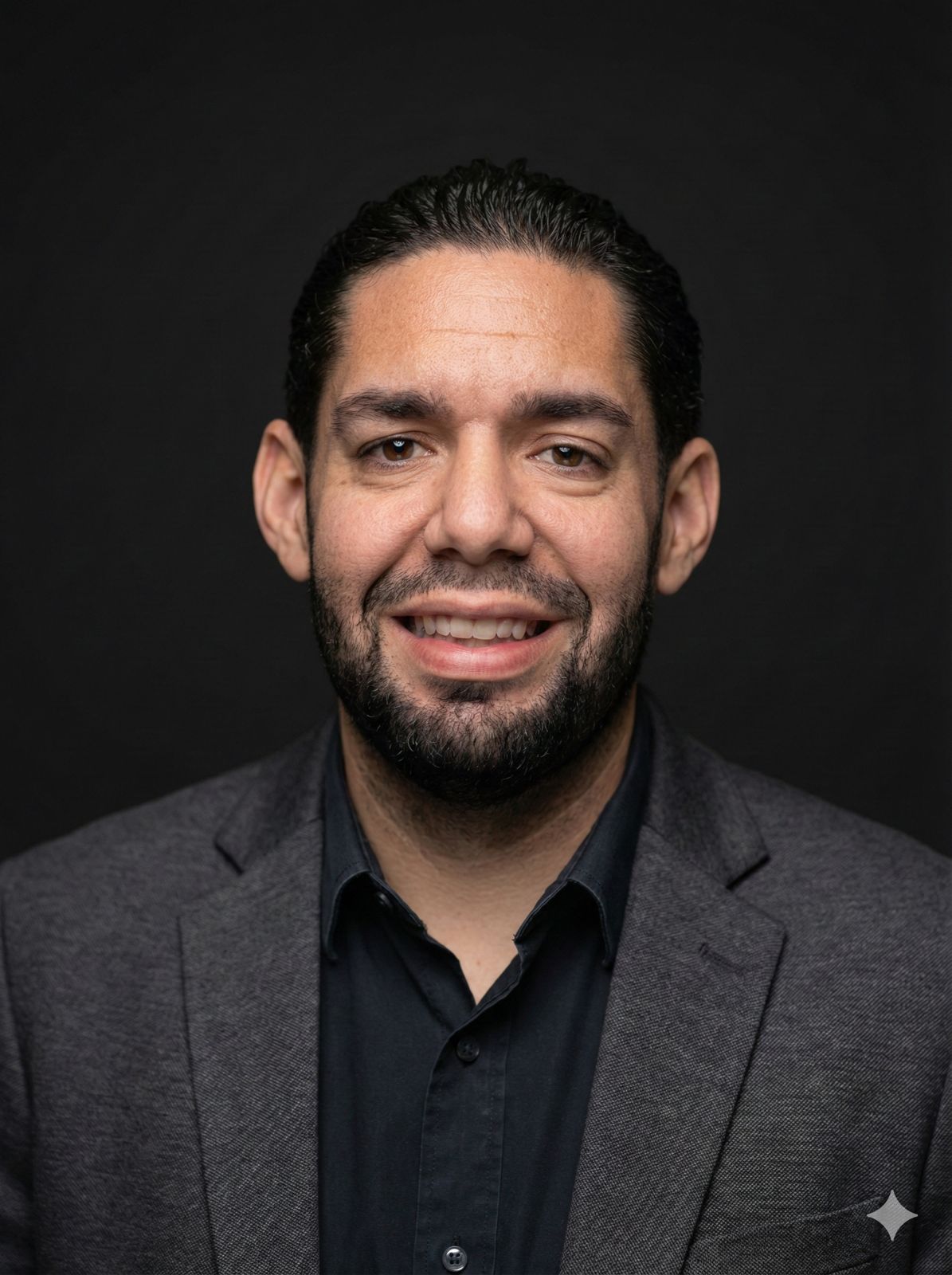
Wednesday, April 8, 2026 • Code Puerto Rico, San Juan
Partners: ALPFA PR · Holberton Coding School · Libre Analytics
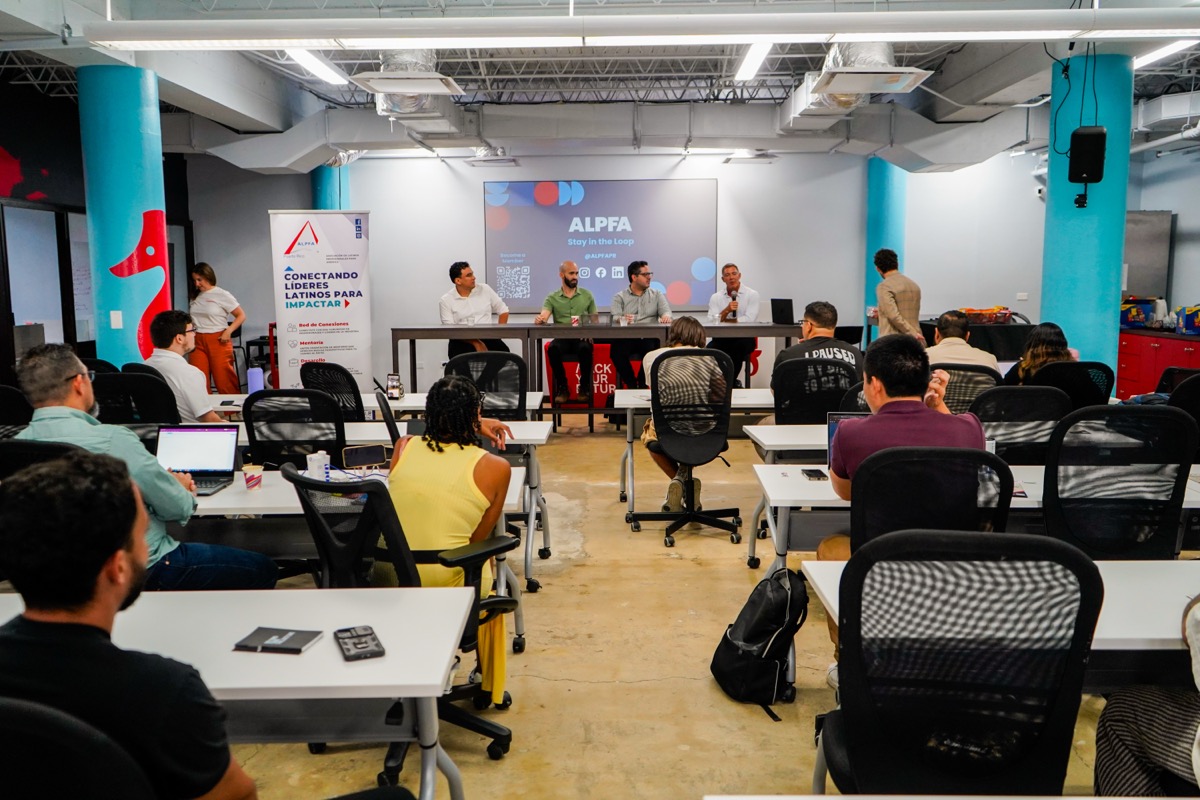
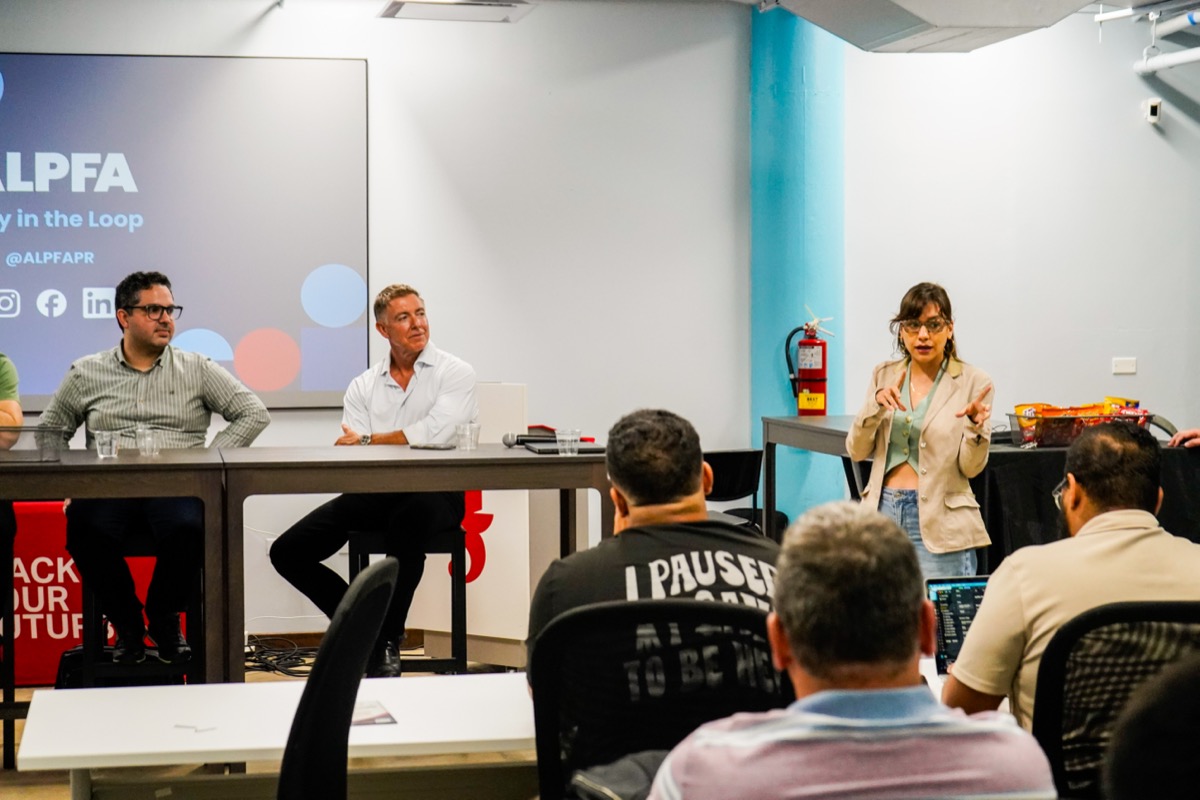
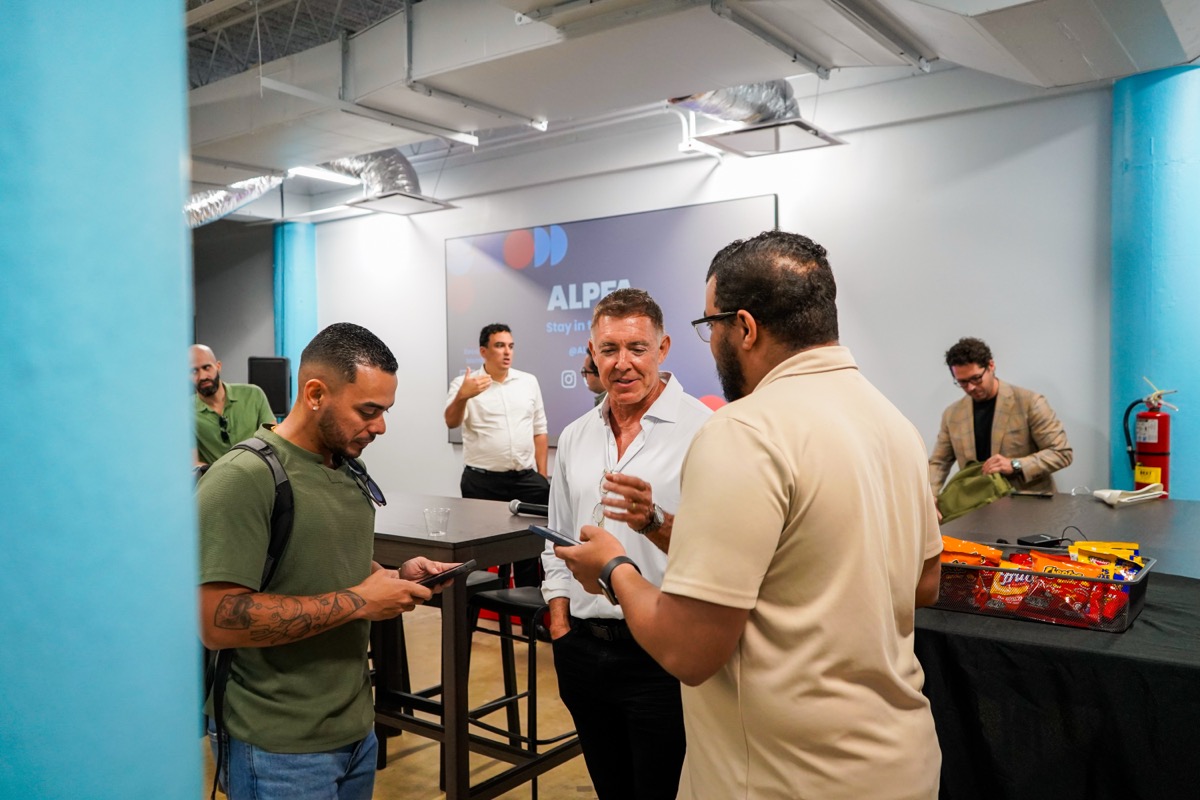
On Wednesday, April 8, 2026, Code Puerto Rico hosted “AI Across Industries: Two Pathways to Careers in Puerto Rico” in partnership with ALPFA PR and Libre Analytics. The room was packed with Holberton students, alumni, and members of the local tech community, all trying to answer the same question: in the age of AI, what does a developer actually need to succeed?
The overall philosophy that emerged: “build things, know yourself, stay curious, and never stop learning how to communicate.” The panelists stressed that “enterprise development is not vibe coding. Know how to code. Be an expert in something.”
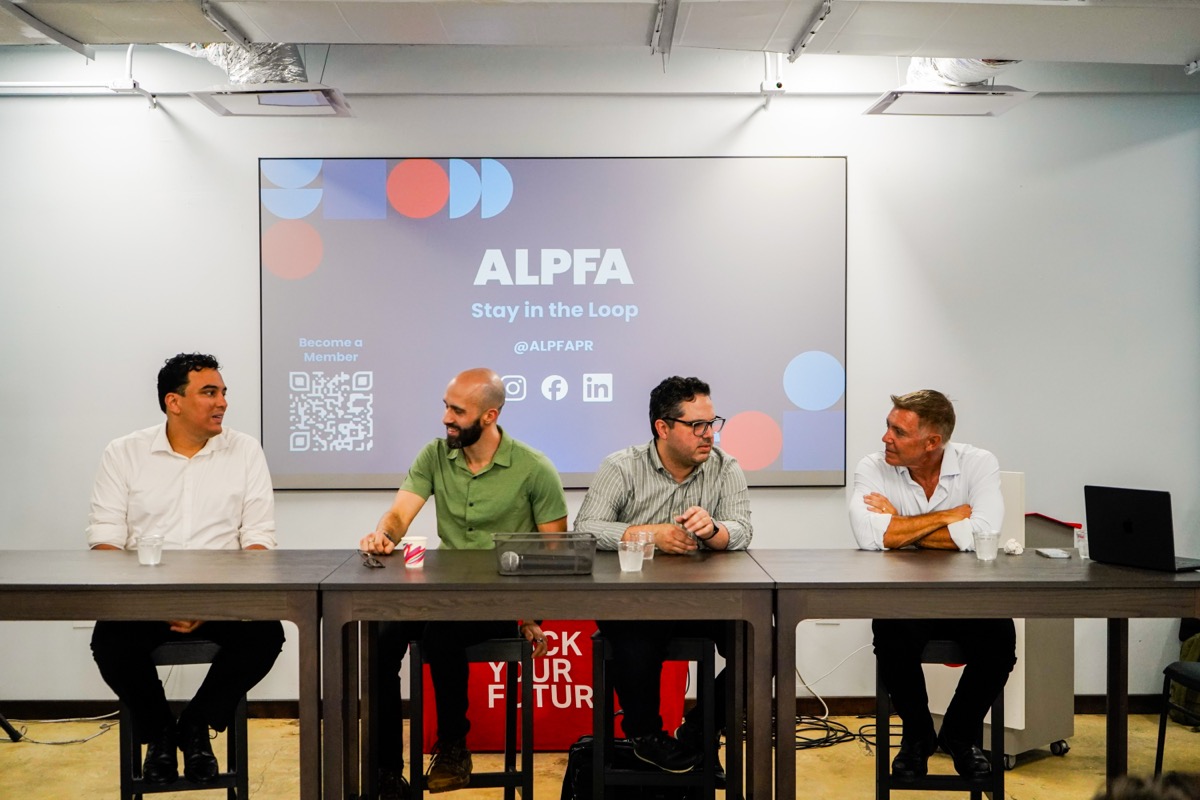
The Panelists
- Javier Rosario — Freelance DevOps Engineer
- Gabe Pérez — Co-Founder & Fractional CTO, Multiple Startups
- Antonio J. Rodríguez — CEO at Tech First
- Adam Beguelin — Co-Founder, Holberton Coding School
- Luis R. Esteves — Moderator, Founder of Libre Analytics
Top Skills, by Panelist
Gabe Pérez
- Understand modern CI/CD pipelines and deployment workflows.
- Use AI coding assistants like Claude Code responsibly.
- Develop design sense and testability in your work.
- Practice translating technical ideas for non-technical stakeholders.
Javier Rosario
- Prompt engineering — know how to ask models for useful output.
- Python and scripting fundamentals.
- Self-knowledge: know where you thrive and where you need support.
- Environment awareness: generalist at small firms, specialist at large ones.
- DevOps fundamentals including Docker, virtual machines, and servers.
Antonio J. Rodríguez
- Real coding ability in languages like Python, Java, TypeScript, Vue, and React.
- Knowledge of design patterns and how codebases are organized.
- Positive attitude and the ability to receive feedback.
- Ability to contribute quickly to existing codebases.
- Willingness to support production releases beyond normal hours.
Adam Beguelin
- “Just build something.”
- Pick your tools, ship, iterate.
- Useful recent experiment: OpenBrain.
Luis Esteves
- Creativity — still the one thing AI can’t fully replace.
What Should Developers Learn Right Now?
- Talk to everyday people about problems tech could solve.
- Build and ship an MVP.
- Learn VMs, Docker, and server basics.
- Maintain a growth mindset.
- Use the Pomodoro technique.
- Discover your ideal working style.
- Understand why software development became a commodity.
Practical Advice / Tips You Can Apply This Week
- Ship one small thing. A landing page, a script, a CLI tool — the fastest way to learn is to finish.
- Pair with AI, don’t hide behind it. Use Claude Code or Cursor to accelerate work you could also do by hand.
- Explain your code out loud. Communication separates good developers from great teammates.
- Backup your projects and set up CI/CD. Professional habits matter more than raw speed.
- Join one local community. Events like this are where referrals, co-founders, and mentors come from.
On AI & Industry Change
Enterprise adoption of AI is changing how teams work:
- Development cycles are compressing faster than Agile alone achieved.
- Codebases are being upgraded for better data storage and retrieval.
- Adaptability and pivoting matter more than narrow specialization.
- ROI evaluation is increasingly applied to tools and decisions.
- Sub-agents such as Metaswarm are entering real workflows.
From the Audience
Students and attendees shared their biggest takeaways:
- “I learned about the entrepreneurship vs. company employment paths and the value of continuous building.” — Joshua, Holberton student
- “I learned to step outside my comfort zone and work alongside AI tools.” — Alberto, attendee
- “I learned about local machine AI workflows for tasks with token limits.” — Joshua S., Holberton student
- “I saw the range of AI opportunities and wanted to learn more.” — Guillermo, attendee
- “Agent orchestration, management skills, and creativity are my priorities now.” — Víctor, attendee
Join ALPFA PR
ALPFA PR is building a community of Latino professionals in finance, tech, and business across Puerto Rico. Connect with mentors, events, and career opportunities.
Join ALPFA PR →What's Next
Communities recommended for the Puerto Rico tech ecosystem:
Want to be part of the next conversation? Join us at an upcoming event or get in touch.